Factory-direct supply · GB standard · Export packingISO 9001 / ISO 14001 / ISO 45001
Home/Applications/Reservoirs and Water Storage

Reservoirs and Water Storage

Flexible lining for plain reservoirs, irrigation storage, fire water ponds and artificial lakes, including slope anchoring and underdrain details.

Site conditions

Site challenges

Reservoir lining is governed by head, slope height, wave action and access. A 1.0-1.5 mm HDPE or composite geomembrane is common, anchored in a trench at the crest and protected on slopes. For potable or ecological storage, the design should confirm material certification and avoid exposed liner where UV exposure is severe.
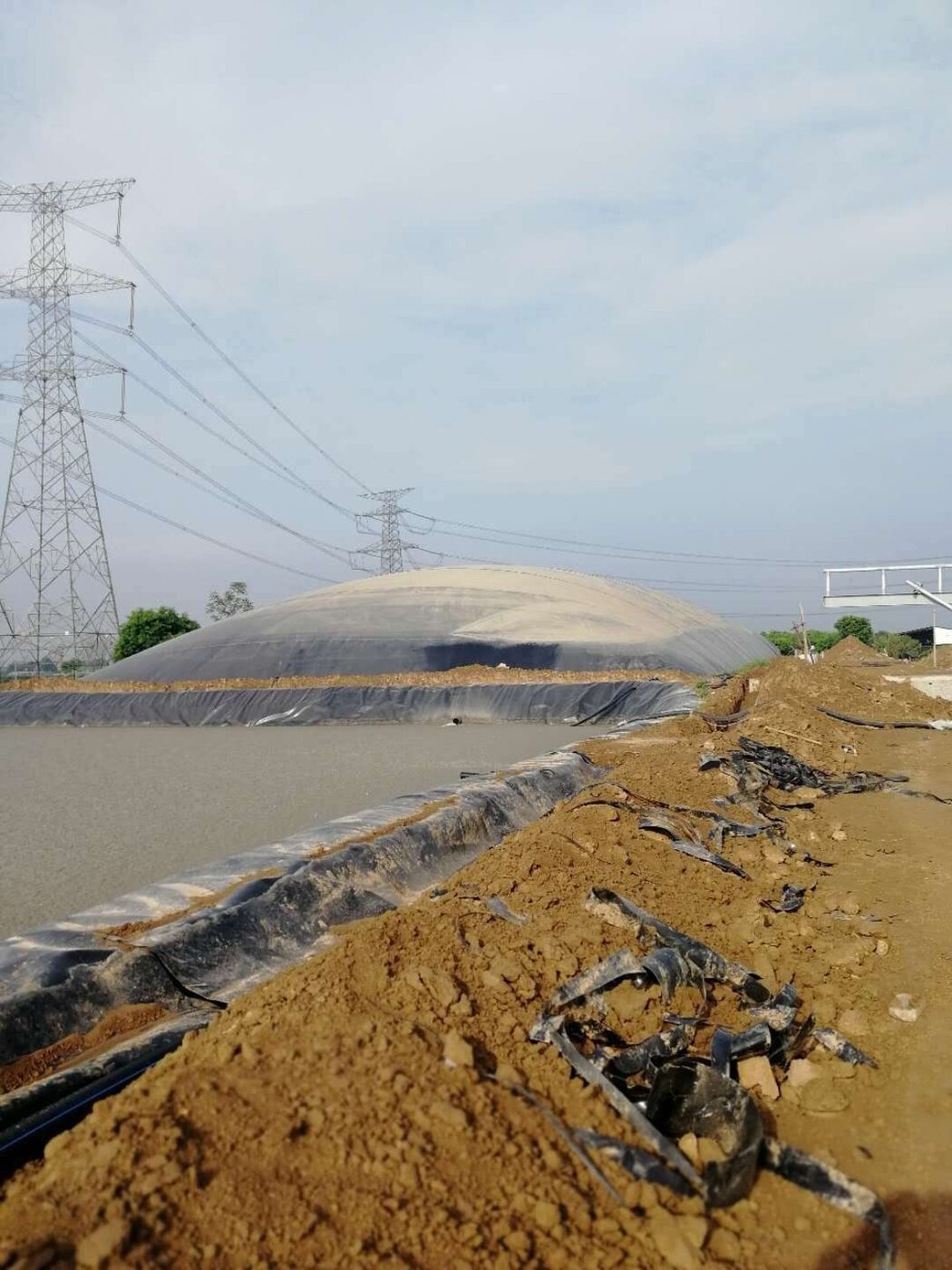
Reservoirs and Water Storage

Where containment systems fail

  • Subgrade not accepted, or cushion missing under the sheet
  • Penetrations, corners and anchors detailed after installation
  • Welding outside the day's trial-weld window
Typical package

Material build-up

  • 1.0-1.5 mm HDPE geomembrane
  • Composite geomembrane 2F1M for canals and slopes
  • 600 g/m² geotextile cushion
  • Anchor trench and vent details

The layer sequence is a starting point. Final thickness, cushion and drainage are confirmed against the design head and chemical exposure.

What to confirm before quoting

  • Design head, slope and anchor detail
  • Subgrade condition and required cushion
  • Chemical and UV exposure
  • Acceptance standard and seam-testing method
Installation

Installation sequence

  1. Accept the subgrade and record the inspection
  2. Place cushion geotextile and drainage where specified
  3. Lay the membrane with the specified overlap and slack
  4. Trial-weld at the day's temperature and humidity
  5. Weld production seams and test every seam
  6. Detail penetrations, corners and anchors, then repair and retest

Welding parameters and seam records are supplied with the shipment; an engineer can attend the first production welds for critical projects.

Matching products

Products used in this system

Ask for a material schedule
FAQ

Questions about Reservoirs and Water Storage

What is the typical material build-up?

The package above is a typical starting point. The final layer sequence, thickness and cushion are confirmed against the design head, subgrade and chemical exposure.

How are pipe penetrations and corners sealed?

Pipe boots, reinforced patches and extrusion welds are used at penetrations and corners. These details are agreed before installation, because they are the most common leak paths.

Can you quote from a drawing?

Yes. Send the drawing, specification clauses and bill of quantities. We will map the items to standard products and flag any value that needs a custom run.

Other application scenarios

The same material system behaves differently in each application. Browse the other eleven guides for the layer sequence and details that matter there.

Planning a reservoirs and water storage?

Send the drawing, area, head and exposure. We will propose the layer build-up and a bill of materials.

Call +86 400-150-1689 Send project details
Call sales WhatsApp Get quote Products